

During the hottest months of the year, especially in tropical climates, keeping your home cool can become a real challenge. As outdoor temperatures rise, indoor spaces often trap heat, making the environment uncomfortable, affecting sleep quality, and reducing overall productivity.
For many households, turning on the air conditioner seems like the easiest solution. However, relying too heavily on air conditioning can significantly increase electricity bills and may also impact health if not used properly. This is why more people are looking for natural, sustainable, and cost-effective ways to keep their homes cool.
In reality, a cooler home is not only about using cooling devices. It depends on how well you manage heat sources, airflow, and the materials inside your living space. Once you understand these principles, you can significantly reduce indoor temperature without excessive energy consumption.
Understanding Why Your Home Gets Hot
Before applying any cooling methods, it is important to understand the main reasons why your home becomes hot.
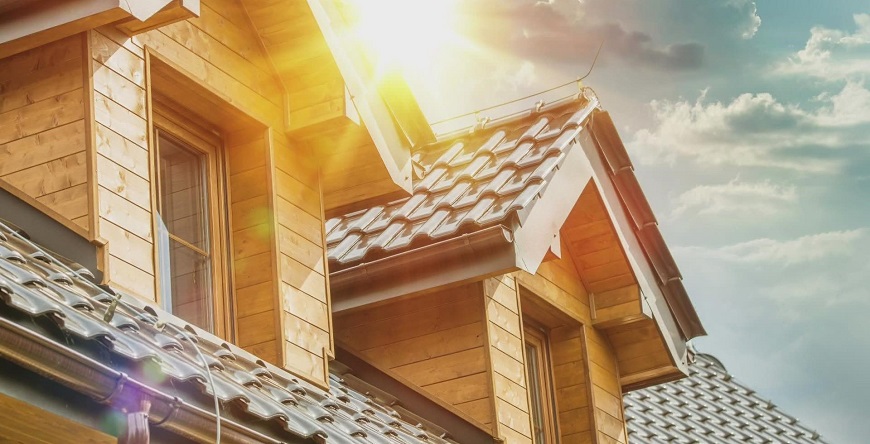
The most obvious cause is solar heat gain. When sunlight directly hits your roof, walls, or windows, these surfaces absorb heat and retain it for hours. Even after the sun goes down, the stored heat continues to radiate inside, keeping your home warm.
Another key factor is poor air circulation. When air inside the house is not replaced regularly, heat builds up and becomes trapped. This is especially common in homes with limited windows or closed layouts.
Household appliances also contribute to indoor heat. Devices such as refrigerators, televisions, computers, and cooking equipment generate heat during operation. When multiple devices are used at the same time, the temperature can noticeably increase.
Humidity plays an important role as well. High humidity makes it harder for the body to cool itself through sweat evaporation, which makes the environment feel hotter than it actually is.
Improving Natural Ventilation
One of the simplest and most effective ways to cool your home is by improving airflow. When air moves freely, hot air is pushed out and replaced with cooler air.
Timing is essential. You should open windows early in the morning or in the evening when outdoor temperatures are lower than indoor temperatures. This allows cooler air to enter and reduce overall heat.
Creating cross ventilation is even more effective. By opening windows or doors on opposite sides of your home, you can create a continuous airflow that cools the space much faster than a single opening.
If natural wind is limited, using fans can help enhance air movement and improve ventilation efficiency.
Keeping pathways clear is also important. Too much furniture or clutter can block airflow and trap heat inside your home.
Blocking Direct Sunlight
Direct sunlight is one of the biggest sources of heat, so reducing its impact is crucial.
Curtains are a simple but effective solution. Thick or heat-resistant curtains can significantly reduce the amount of heat entering through windows. For glass surfaces, applying heat-insulating window films can further improve protection.
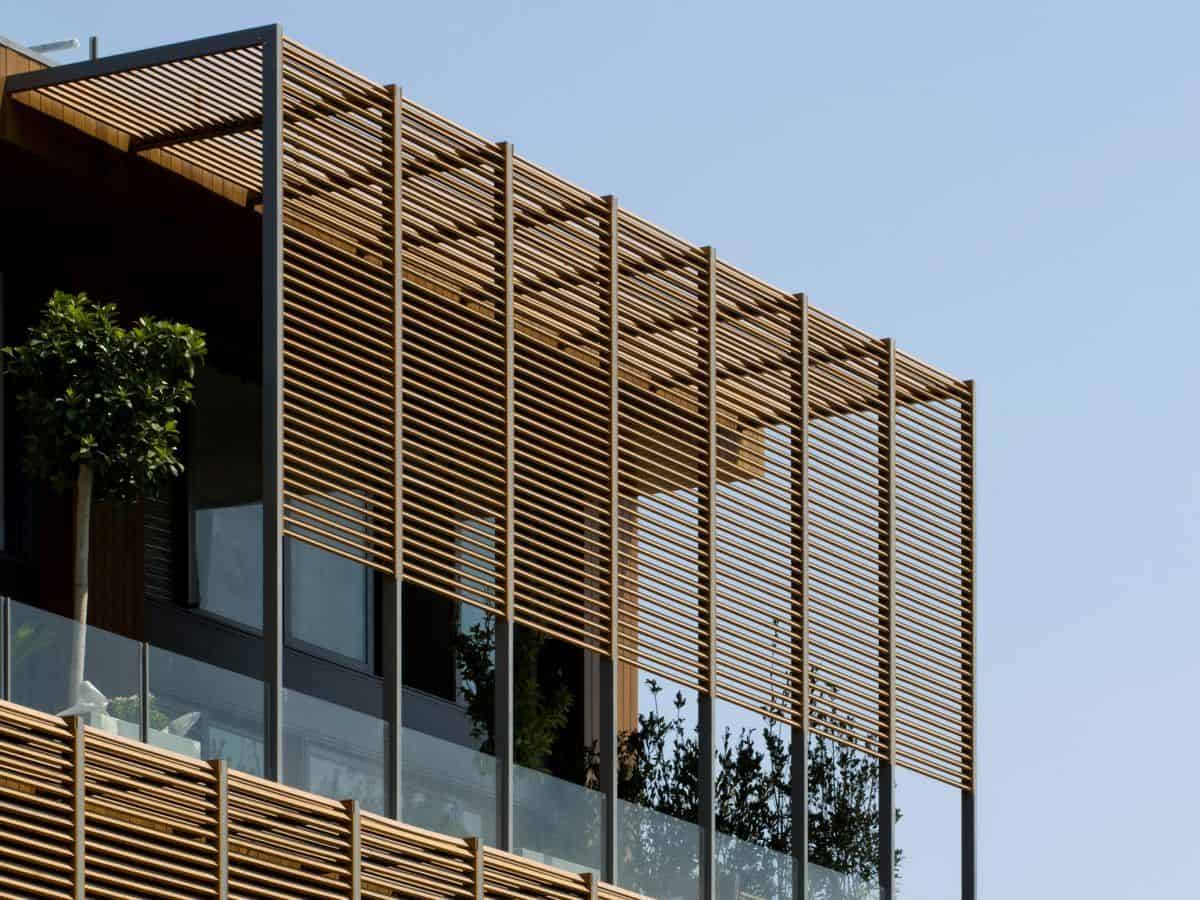
External shading solutions such as awnings, balcony covers, or outdoor shades can also help prevent sunlight from reaching walls and windows directly.
Planting trees or adding greenery outside your home is another effective method. Plants provide shade and naturally cool the surrounding air, making indoor spaces more comfortable.
Using Colors and Materials to Reduce Heat
Color choice can influence how warm or cool a space feels. Light colors such as white, beige, or pastel reflect more sunlight and create a cooler visual and thermal effect.
Darker colors, on the other hand, absorb more heat and can make a room feel warmer.
Material selection is equally important. Lightweight and breathable materials like wood, bamboo, or thin fabrics help create a more airy and comfortable environment. In contrast, heavy or heat-retaining materials can increase indoor temperature.
Reducing Heat from Daily Activities
Daily habits can also affect how hot your home becomes.
Cooking is one of the biggest sources of indoor heat. Using stoves or ovens during the hottest part of the day can raise the temperature significantly. It is better to cook early in the morning or later in the evening when the air is cooler.
You should also minimize the use of unnecessary electrical devices during the day. Turning off lights, electronics, and appliances when not in use helps reduce heat generation.
Washing and drying clothes indoors during hot hours can increase both heat and humidity, making the space less comfortable.
Using Indoor Plants for Natural Cooling
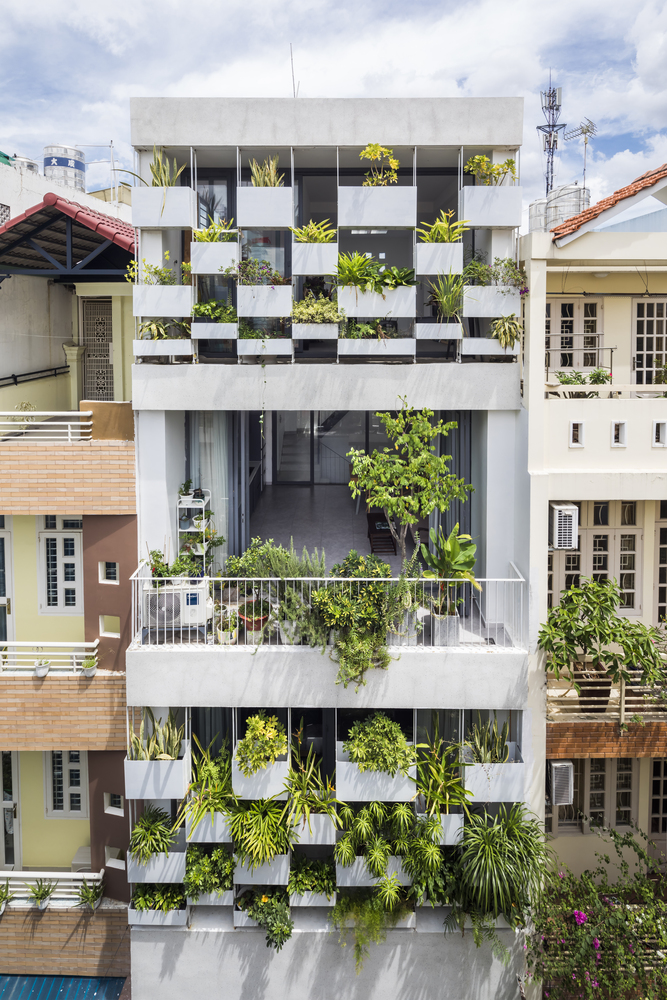
Indoor plants are not just decorative. They can act as natural cooling agents by releasing moisture into the air through transpiration.
Placing plants near windows, balconies, or inside rooms can help reduce temperature and improve air quality.
Low-maintenance plants such as pothos, snake plants, ferns, or palm varieties are excellent choices for indoor environments.
If you have enough space, creating a small green area can significantly enhance the cooling effect throughout your home.
Using Fans and Air Conditioners Wisely
Fans do not lower the actual temperature, but they make the body feel cooler by increasing air movement and helping sweat evaporate faster.
A simple trick is to place a bowl of water or a damp cloth in front of a fan. As air passes through, it carries moisture and creates a cooling effect.
When using air conditioning, it is best to set a moderate temperature rather than making the room too cold. A setting between 26 and 28 degrees Celsius is both energy-efficient and healthier for the body.
Keeping Your Space Clean and Open
A cluttered home not only feels cramped but also retains more heat. Large or unused items can block airflow and reduce cooling efficiency.
Organizing and decluttering your living space allows air to circulate more freely, helping to prevent heat buildup.
Although simple, this is one of the most effective ways to improve overall comfort during hot weather.
Conclusion
Keeping your home cool during hot weather is not just about using air conditioning. It requires a combination of strategies, including controlling sunlight, improving ventilation, choosing the right materials, and adjusting daily habits.
By applying these methods consistently, you can create a comfortable living environment while reducing energy costs and improving your overall quality of life.
The key is to understand your home and apply the most suitable solutions based on your specific conditions.