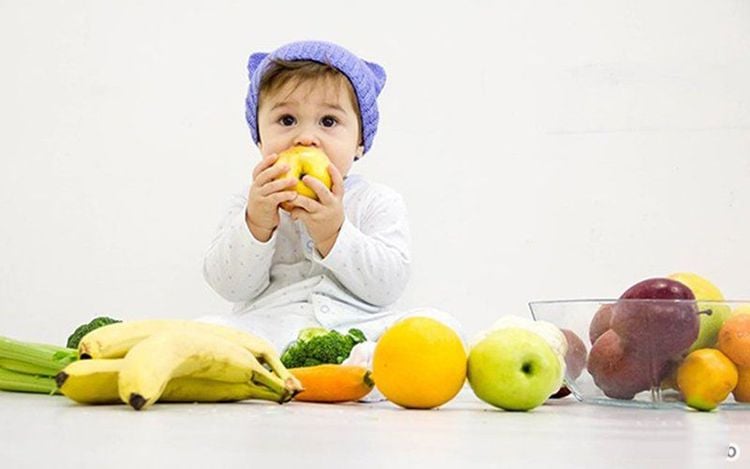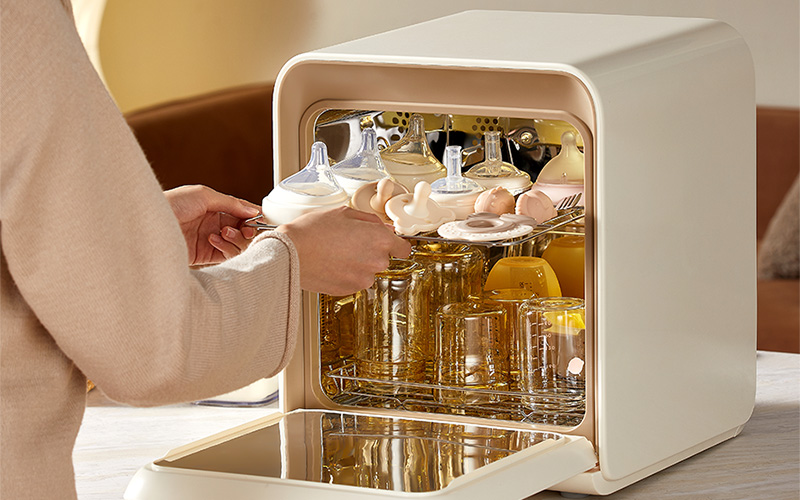


When a child turns one year old, their diet begins to change significantly. At this stage, they no longer rely entirely on breast milk or formula but gradually transition to a more diverse diet that includes porridge, soft rice, vegetables, and other nutritious foods. During this transition, many parents wonder whether they should introduce fresh milk into their child’s diet. Although fresh milk is widely available, convenient, and rich in nutrients, it is not always fully suitable for young children. Understanding its benefits, risks, and proper usage is essential for making the right decision.
What Is Fresh Milk
Fresh milk is milk obtained directly from animals such as cows or goats and then processed through pasteurization or sterilization to ensure safety for consumption. Unlike infant formula, which is specifically designed and fortified to meet the nutritional needs of young children, fresh milk retains its natural composition, including protein, fat, calcium, and vitamins. However, because of its natural composition, fresh milk may not always be ideal for infants, especially those under or just reaching one year of age.
Can a 1-Year-Old Drink Fresh Milk
The answer is yes, but it must be done properly and gradually. Once a child reaches 12 months of age, their digestive system is more developed and can handle a wider range of foods. However, this does not mean they are ready to fully replace breast milk or formula with fresh milk. Parents should introduce fresh milk in small amounts and monitor how the child responds. Breast milk or formula should still play an important role in providing essential nutrients during this stage.
Benefits of Fresh Milk for a 1-Year-Old
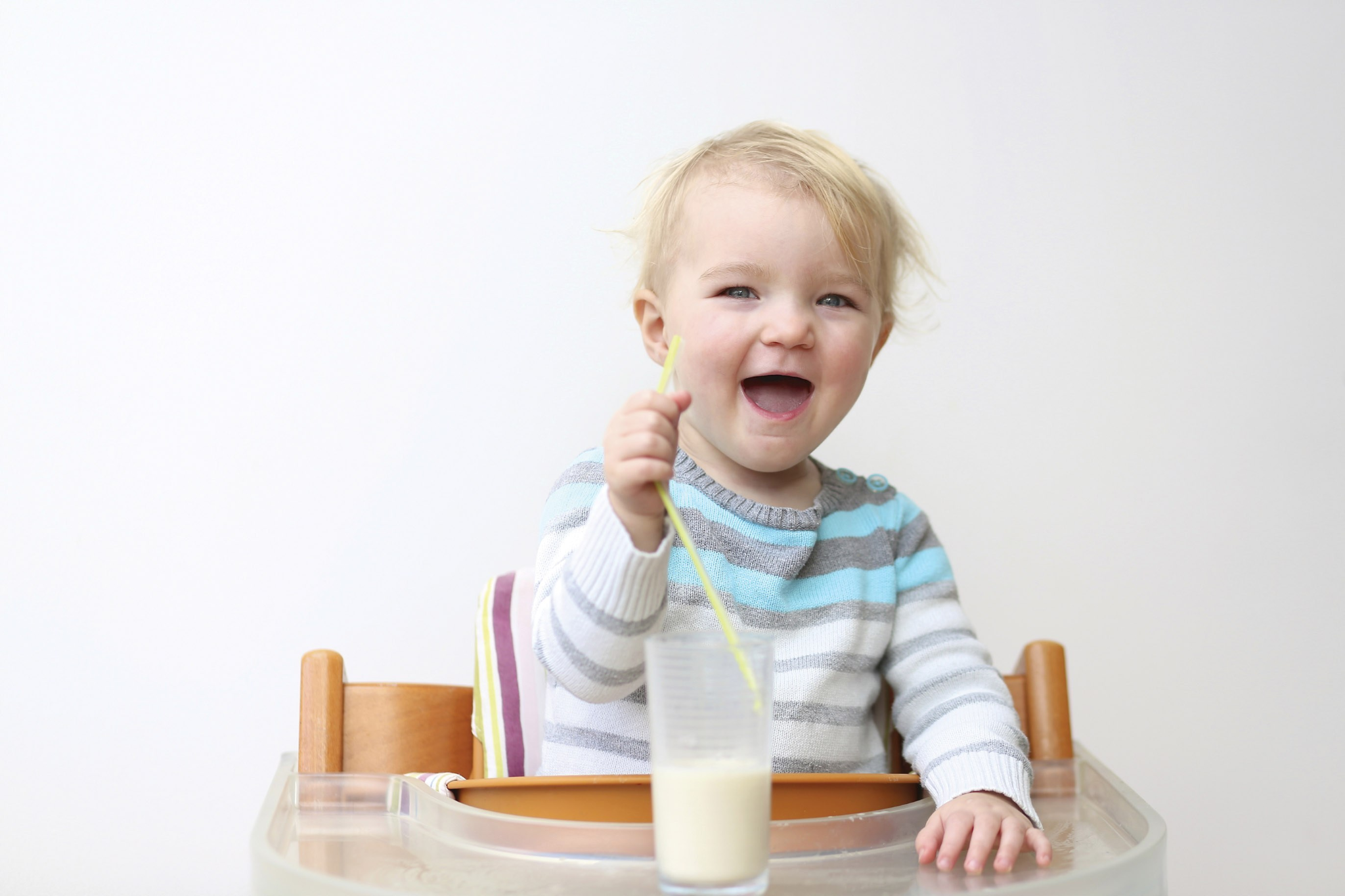
Fresh milk can offer several nutritional benefits when used appropriately. It is a rich source of calcium, which supports strong bone and teeth development during a period of rapid growth. In addition, it provides protein and fat, which supply the energy needed for daily activities and physical development. Fresh milk is also convenient, as it is easy to store and does not require preparation like formula. When included in moderation, it can help diversify a child’s diet and introduce new sources of nutrition.
Risks of Giving Fresh Milk Incorrectly
Despite its benefits, fresh milk also carries certain risks if used improperly. One common issue is digestive discomfort, as the high protein and mineral content can put pressure on a young child’s still-developing digestive system. Fresh milk is also low in iron, so excessive consumption may lead to iron deficiency, which can negatively impact both physical and cognitive development. Some children may also have an allergy to cow’s milk protein, with symptoms such as rashes, diarrhea, or vomiting. Additionally, drinking too much milk can make a child feel full, reducing their appetite for other important foods and leading to an unbalanced diet.
Comparison Between Fresh Milk and Formula
Infant formula is specifically designed to meet the nutritional needs of young children and is often fortified with iron, DHA, vitamins, and other essential nutrients. Fresh milk, while natural, lacks some of these critical components. In terms of digestion, formula is generally easier for young children to absorb because it is adapted to their digestive system. However, fresh milk is more affordable and widely accessible. For a 1-year-old, fresh milk should not completely replace formula but can be used as a supplementary option.
How to Introduce Fresh Milk Properly
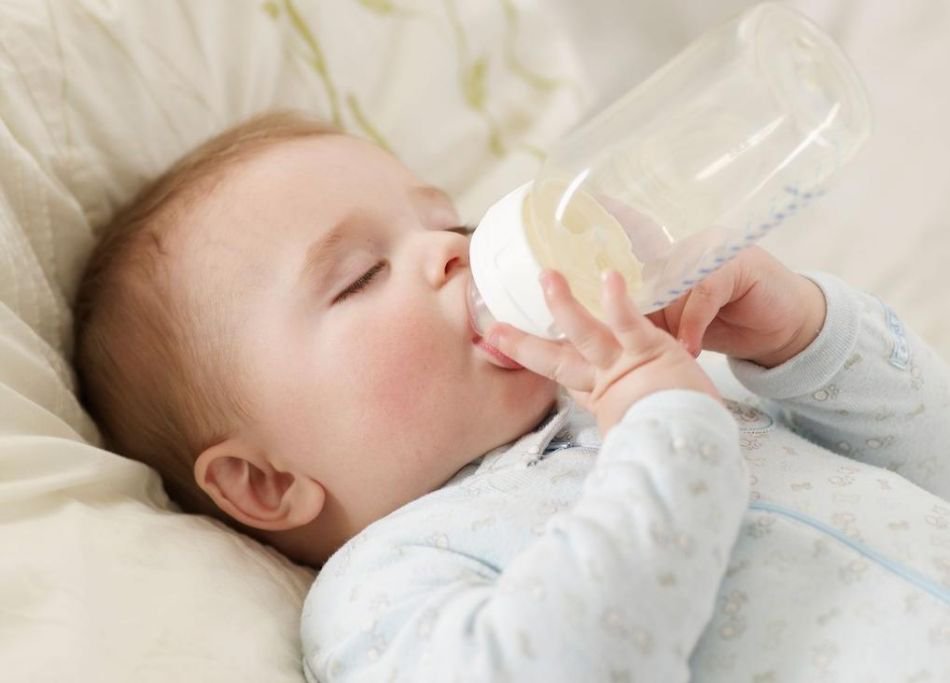
To ensure safety, parents should introduce fresh milk gradually, starting with small amounts and increasing slowly based on the child’s tolerance. It is best to choose unsweetened, full-fat fresh milk to support healthy growth and avoid unnecessary sugar intake. The recommended amount is typically around 200 to 300 ml per day, depending on the child’s diet and nutritional needs. Fresh milk should be part of a balanced diet and not a complete replacement for breast milk or formula. Monitoring the child’s reaction is essential to detect any signs of intolerance or allergy early.
Important Notes
Parents should never give fresh milk to children under one year old, as their digestive system is not ready to process it. Fresh milk should not replace water or be sweetened with sugar. Proper storage, checking expiration dates, and ensuring product quality are also important for safety. Since every child is different, parents should adjust feeding practices based on individual needs and responses.
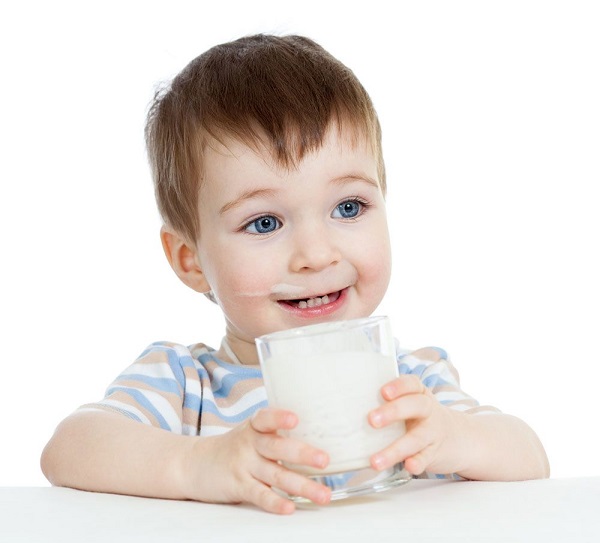
Should You Give Fresh Milk to a 1-Year-Old
Yes, but only when introduced at the right time and in the right way. Fresh milk can be a beneficial addition to a child’s diet if used appropriately and combined with a balanced range of foods. However, overuse or improper use may negatively affect a child’s health and development. Understanding the role of each type of milk is key to making informed decisions.
Giving fresh milk to a 1-year-old is not harmful if done correctly, but it should not be done carelessly. While fresh milk provides valuable nutrients, it also comes with certain limitations and risks. Parents should focus on building a balanced diet, combining various food sources, and closely monitoring their child’s response. When in doubt, consulting a pediatrician or nutrition expert is always a safe and wise choice.