

When a baby reaches the milestone of 1 year old, their nutritional needs begin to change significantly. Previously, most babies mainly consumed thin porridge, mashed foods, or purees. At this stage, however, children can start exploring a wider variety of foods and gradually transition toward meals that resemble the family’s daily diet.
This period is considered a golden stage for developing healthy eating habits. It is also a time when a child’s body experiences rapid growth in terms of physical development, brain development, and motor skills. Therefore, building a proper and balanced meal plan not only helps babies grow well but also prevents common issues such as picky eating, malnutrition, and digestive disorders.
So what can a 1-year-old eat, how many meals should they have each day, and how should parents build a balanced menu that supports both nutrition and digestion? Below is detailed information every parent should know.
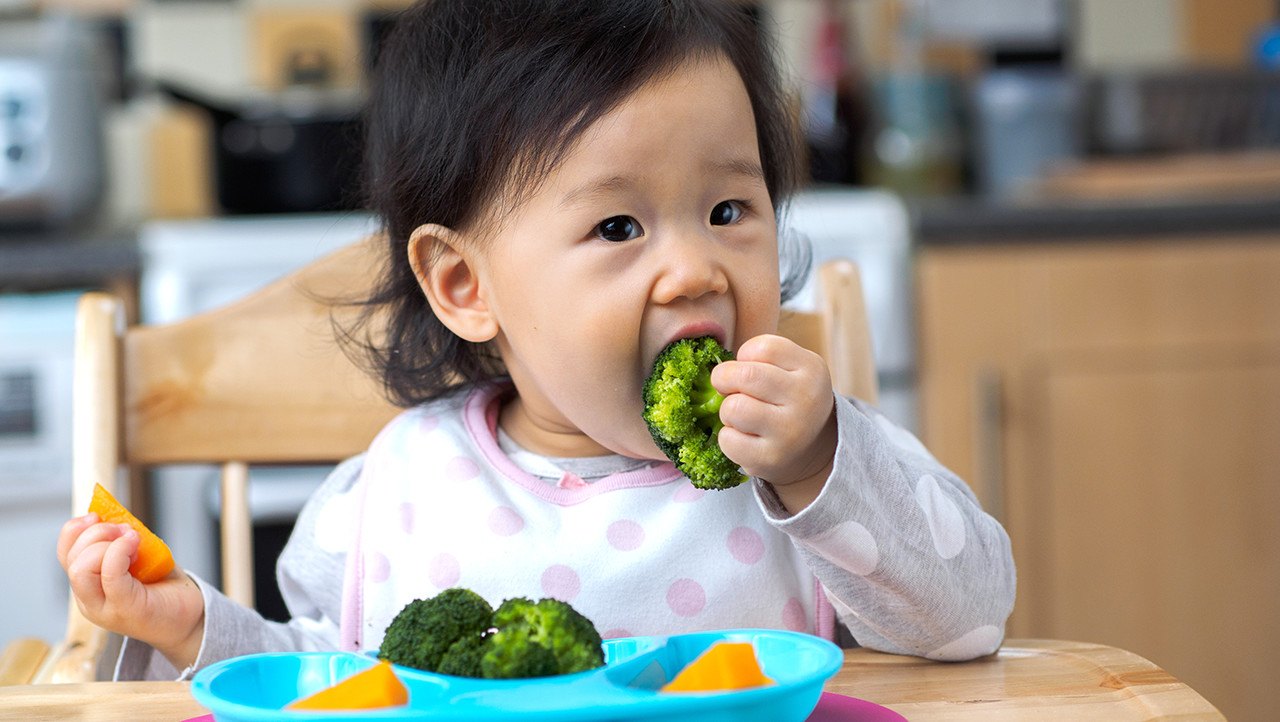
Nutritional Needs of a 1-Year-Old Baby
At 12 months old, babies become much more active. They begin to walk, climb, and explore their surroundings, which significantly increases their energy needs compared to the earlier weaning stage.
On average, a 1-year-old baby needs:
- 900–1000 kcal per day, depending on body weight and activity level
- 400–500 ml of milk per day, which can be breast milk or formula
- Around 3 main meals and 2–3 snacks to maintain a steady supply of energy
In addition, a child’s diet should include the four essential nutrient groups:
- Carbohydrates
- Protein
- Healthy fats
- Vitamins and minerals
What Can a 1-Year-Old Eat?
At this stage, a baby’s digestive system has developed further, allowing them to eat a wider variety of foods. However, meals should still be soft, easy to chew, and lightly seasoned.
Below are the key food groups that should be included in a toddler’s daily diet.
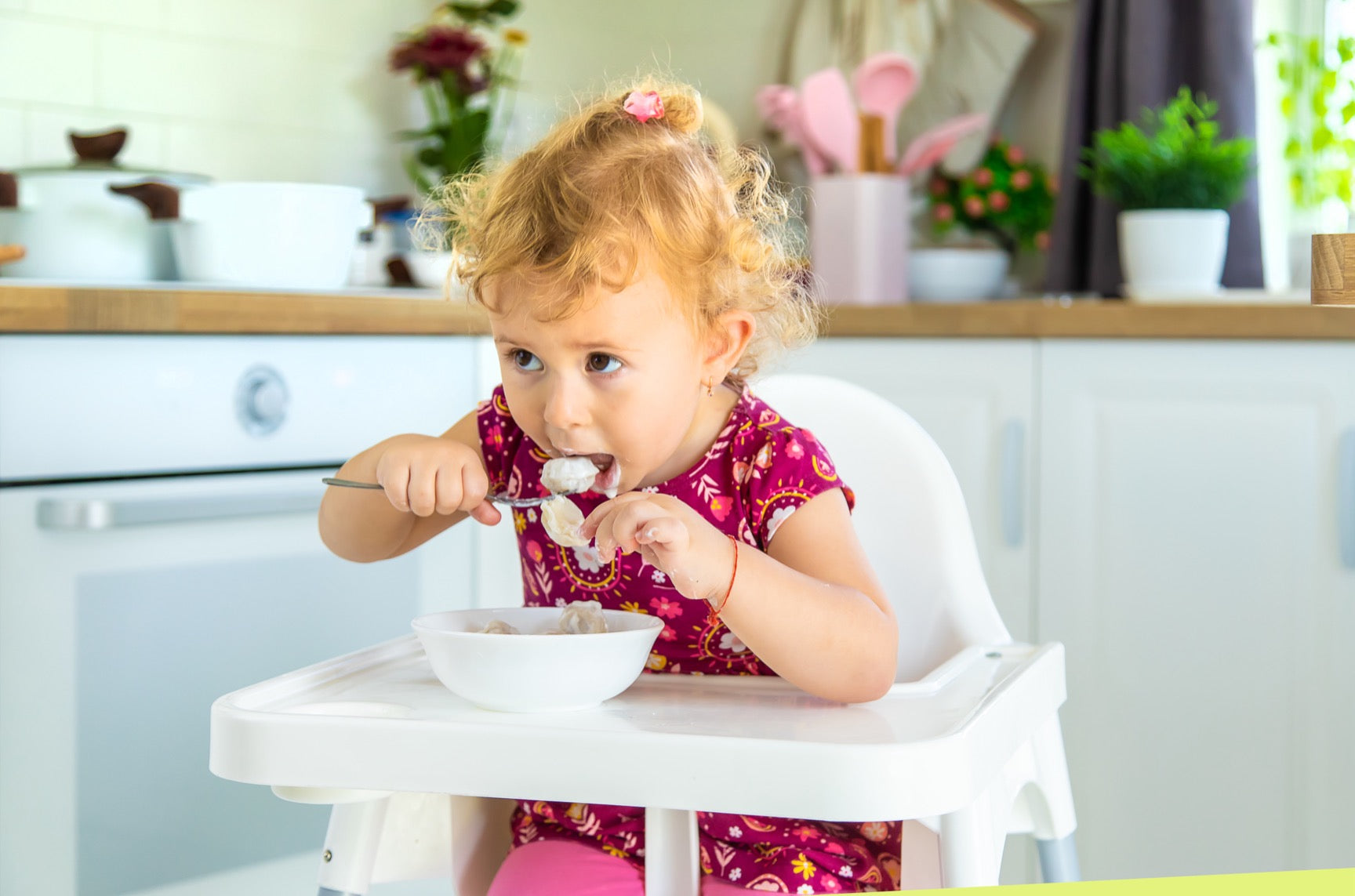
Carbohydrates – The Main Energy Source
Carbohydrates provide the energy needed for movement, brain development, and daily activities. When babies reach 1 year old, parents can introduce more carbohydrate-rich foods than during the early weaning stage.
Suitable carbohydrate foods include:
- Thick porridge: This remains one of the most common meals for toddlers because it is easy to digest and easy to combine with other foods such as meat, fish, and vegetables. Thick porridge also helps babies gradually adapt to a coarser food texture compared to thin porridge.
- Soft rice: Once babies become comfortable with thicker porridge, parents can start introducing soft rice or mashed rice. This helps develop chewing skills and gradually prepares children for regular family meals.
- Soft noodles, vermicelli, or pho: When cooked soft and cut into small pieces, these foods are suitable for 1-year-old babies. Changing the menu with different noodle dishes can also make meals more interesting for children.
- Sweet potatoes and potatoes: These foods provide carbohydrates as well as vitamins and dietary fiber, which support healthy digestion.
Offering a variety of carbohydrate sources helps prevent boredom and ensures babies receive a wider range of nutrients.
Protein – The Foundation for Growth
Protein plays an essential role in muscle development, height growth, and overall body function. At the age of one, babies should receive both animal and plant-based protein sources.
Common protein-rich foods include:
- Chicken, pork, and beef: These meats are easily absorbed and rich in iron and zinc, which support physical growth and help prevent anemia in young children.
- Fish and shrimp: Fish, especially ocean fish such as salmon or mackerel, contain high levels of omega-3 fatty acids, which are beneficial for brain and eye development.
- Eggs: Eggs are highly nutritious and provide high-quality protein along with many essential vitamins and minerals. A 1-year-old can eat eggs several times per week.
- Tofu and beans: These are excellent plant-based protein sources, easy to digest and helpful for diversifying a child’s diet.
When preparing these foods, parents should finely chop or mince them to make them easier for babies to eat and reduce the risk of choking.
Vegetables – Essential Vitamins and Fiber
Vegetables provide vitamins, minerals, and fiber that support overall health. A diet lacking vegetables may lead to constipation and a weakened immune system.
Vegetables suitable for 1-year-old babies include:
- Carrots and pumpkin: These vegetables are rich in vitamin A, which helps support vision and strengthen the immune system.
- Mustard greens and sweet leaf (katuk) leaves: These greens provide vitamin C and minerals, helping the body absorb nutrients more effectively.
- Broccoli: Broccoli is rich in antioxidants and fiber, making it very beneficial for a baby’s digestive system.
- Malabar spinach and winter melon: These vegetables are mild, easy to cook soft, and gentle on a baby’s developing digestive system.
Vegetables should be well-cooked and finely chopped to make them easier for babies to chew and swallow.
Fruits – Natural Vitamins for Babies
Fruits are ideal snack options because they contain natural vitamins, minerals, and fiber.
Fruits suitable for a 1-year-old include:
- Bananas: Bananas are soft, easy to eat, and rich in potassium, providing quick energy.
- Apples and pears: These fruits contain vitamins and fiber. For young children, parents should steam or mash them before serving.
- Avocados: Avocados are rich in healthy fats, which support brain development and provide extra energy.
- Dragon fruit and papaya: These fruits help improve digestion and prevent constipation in young children.
Fruits should be served during mid-morning or afternoon snacks so they do not interfere with main meals.
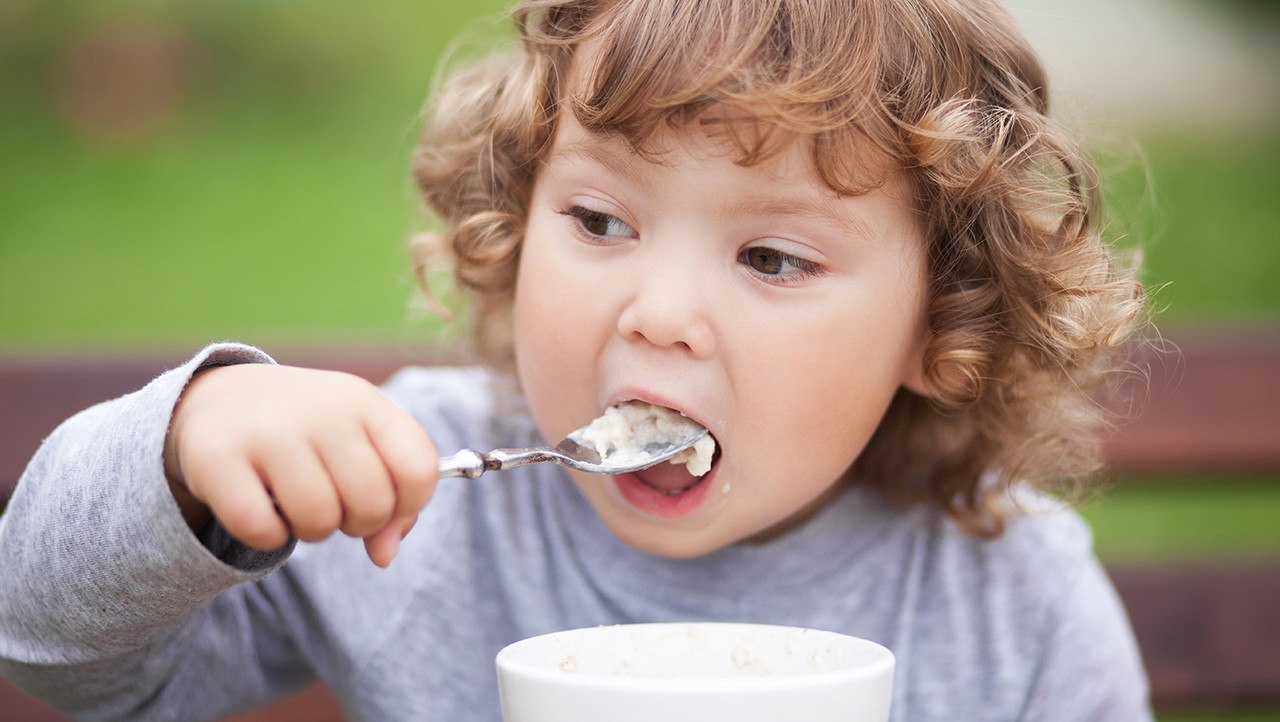
Foods a 1-Year-Old Should Limit
Although toddlers can eat many foods, some items should still be limited to protect their digestive systems.
- Salty foods: A baby’s kidneys are still developing, so too much salt can put pressure on their excretory system. Meals should therefore be lightly seasoned.
- Sugary foods: Candy, sugary drinks, and overly sweet snacks can increase the risk of tooth decay and unhealthy eating habits.
- Choking hazards: Hard foods such as nuts, hard candy, or whole grapes can cause choking if not cut into small pieces.
Suggested 7-Day Meal Plan for a 1-Year-Old
Day 1
- Breakfast: Beef and pumpkin porridge
- Lunch: Salmon porridge with greens
- Dinner: Chicken and carrot porridge
Day 2
- Breakfast: Shrimp and winter melon porridge
- Lunch: Soft rice with pork and sweet leaf soup
- Dinner: Egg and tomato porridge
Day 3
- Breakfast: Snakehead fish and carrot porridge
- Lunch: Beef and broccoli porridge
- Dinner: Chicken and pumpkin porridge
Day 4
- Breakfast: Shrimp and Malabar spinach porridge
- Lunch: Soft rice with mackerel and greens
- Dinner: Pork and pumpkin porridge
Day 5
- Breakfast: Chicken and carrot porridge
- Lunch: Salmon and winter melon porridge
- Dinner: Shrimp and broccoli porridge
Day 6
- Breakfast: Beef and potato porridge
- Lunch: Chicken and pumpkin porridge
- Dinner: Snakehead fish and greens porridge
Day 7
- Breakfast: Shrimp and carrot porridge
- Lunch: Pork and winter melon porridge
- Dinner: Salmon and sweet leaf porridge
Conclusion
A 1-year-old baby can eat many different foods, including thick porridge, soft rice, meat, fish, vegetables, and fruits. However, the most important thing is that parents build a balanced, diverse diet that matches the child’s digestive ability.
A scientifically planned diet not only supports healthy growth but also helps children develop lifelong healthy eating habits.
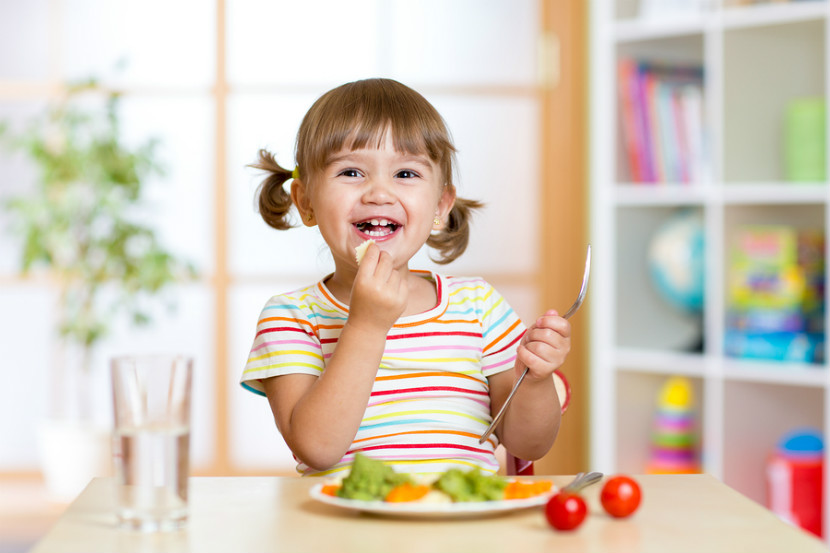
Frequently Asked Questions
What can a 1-year-old eat?
A 1-year-old can eat many foods such as thick porridge, soft rice, meat, fish, eggs, shrimp, vegetables, and fruits. However, meals should be cooked soft, cut into small pieces, and lightly seasoned.
Can a 1-year-old eat rice?
Yes. A 1-year-old can eat rice if it is cooked soft or slightly mashed. Parents should start with soft rice so babies can chew easily.
How many meals should a 1-year-old eat per day?
Typically, a 1-year-old should have 3 main meals and 2–3 snacks per day, along with 400–500 ml of milk.
Can a 1-year-old drink fresh milk?
After turning one year old, children can drink pasteurized whole milk. However, parents may continue breastfeeding or using formula depending on the child’s nutritional needs.
Can a 1-year-old eat eggs every day?
Eggs are very nutritious, but they should not be eaten excessively. On average, a 1-year-old can eat about 3–4 eggs per week.
Should a 1-year-old eat seasoned food like adults?
No. Baby food should be lightly seasoned and low in salt because a child’s digestive system and kidneys are still developing.
What fruits are good for a 1-year-old?
Good fruit options include bananas, avocados, apples, pears, dragon fruit, papaya, and ripe mangoes, which provide vitamins and support digestion.
Can a 1-year-old eat seafood?
Yes. A 1-year-old can eat seafood such as shrimp or fish if properly cooked and if the child does not have allergies.
Does a 1-year-old need fats in their diet?
Yes. Healthy fats are important for growth and development. Each meal should contain a small amount of cooking oil suitable for children to provide energy and help absorb vitamins.
What should parents do if a 1-year-old refuses to eat?
Parents should try varying meals, creating a relaxed eating environment, and avoiding forcing the child to eat. Encouraging more physical activity can also help stimulate appetite.