

When a baby reaches the 12-month milestone, many parents eagerly look forward to the moment their child takes their first steps. However, not all babies are able to walk right at 12 months old. In reality, many 12-month-old babies are not walking yet, and some may only begin to walk at 14 or even 15 months.
This often makes parents feel worried and wonder whether not walking at 12 months is a sign of developmental delay. Some parents also compare their child to others who started walking earlier, which can increase their anxiety.
According to pediatric experts, every child develops at their own pace, so comparisons between children are not always accurate. Some babies start walking as early as 9 or 10 months, while others may not walk at 12 months but are still developing completely normally.
In this article, we will explore in detail the case of a 12-month-old not walking yet, common causes, signs of normal development, and when parents should consider having their child checked.
Is it normal for a 12-month-old baby not to be walking yet?
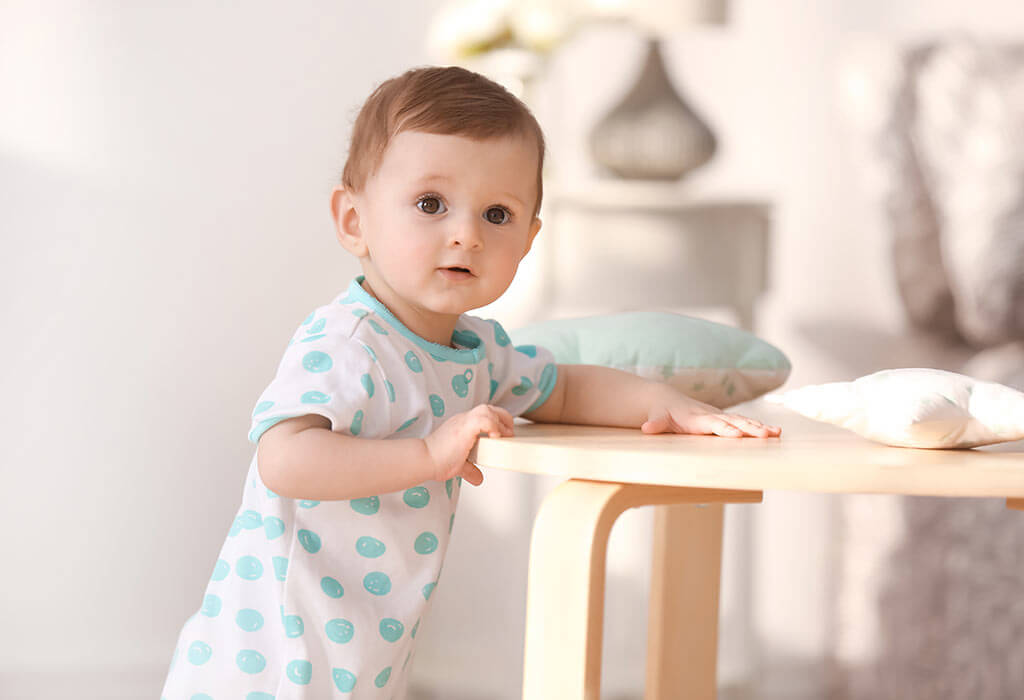
The answer is that it can be completely normal.
Experts say that children typically begin walking between 9 and 18 months of age. Therefore, if a 12-month-old is not walking yet, it is still within the normal developmental range.
At 12 months, many babies are still in the process of developing essential motor skills such as:
- standing steadily
- maintaining balance
- holding onto objects to move around
These skills are important foundations that prepare a child for independent walking.
Some babies may even crawl very quickly and prefer crawling over walking, as it allows them to move faster and more safely. Once they feel confident enough and their muscles are stronger, walking will come naturally.
Therefore, not walking at 12 months is not always a sign of a problem.
Motor development milestones in the first year of life
To better understand why a 12-month-old may not be walking yet, parents should be aware of common motor development milestones in children.
3–6 months old stage
In the first months of life, babies begin developing control over their bodies.
At this stage, they can typically:
- roll over from their back to their stomach
- lift their head while lying on their tummy
- start pushing up with their arms
These skills help strengthen the neck, back, and shoulder muscles, forming the foundation for later motor development.
6–9 months old stage
As babies grow older, their motor skills begin to develop more rapidly.
Many babies can:
- sit steadily without support
- start crawling or creeping
- pull themselves up to stand by holding onto objects
This is the stage when babies begin to explore their surroundings more actively.
9–12 months old stage
At this stage, babies are preparing for walking.
Some common skills include:
- standing while holding onto objects
- taking a few steps with support
- cruising along furniture
However, not all babies are able to walk right at 12 months. Therefore, not walking at 12 months is still considered normal.
Reasons why a 12-month-old baby is not walking yet

There are many reasons why a 12-month-old may not be walking yet, and most of them are not a cause for concern.
Each child develops at their own pace
Not all children reach developmental milestones at the same time. Some develop motor skills quickly, while others need more time.
This is completely normal.
Some babies prefer crawling over walking
Some babies crawl very quickly and therefore don’t feel the need to walk. Crawling allows them to move faster and more steadily, so many babies will continue crawling for a while before they start learning to walk.
The baby’s muscles are not strong enough yet
Walking requires coordination between multiple muscle groups. If the leg or core muscles are not strong enough yet, a child may need more time to develop before they can start walking.
Limited opportunities for movement
If a baby frequently:
- spends time in a walker
- sits in a high chair for too long
- stays in a crib
then they may have fewer opportunities to practice essential motor skills.
When is it a concern if a 12-month-old is not walking yet?

In most cases, not walking at 12 months is not a serious issue. However, parents should pay attention if a child shows the following signs:
- not walking by 18 months
- unable to stand while holding onto objects
- unable to maintain balance when standing
- showing signs of weak or stiff muscles
If these signs appear, parents should take their child to a pediatrician for evaluation.
How to Help a 12-Month-Old Learn to Walk Faster
Parents can support their child’s walking development in several simple ways.
Create a safe environment for movement
A spacious and safe space will help your baby feel comfortable practicing walking.
Parents should:
- keep the area clutter-free
- use soft mats or carpets
- remove sharp or dangerous objects
Encourage standing and movement
Parents can place toys slightly out of reach to encourage the baby to stand up and grab them. This helps improve balance skills.
Hold your baby’s hands while practicing walking
Helping your baby take a few steps each day can boost their confidence. However, parents should not force the child if they are not ready.
Limit the use of baby walkers
Walkers can make babies dependent on the device and reduce the need to develop the muscles required for walking.
Common Mistakes Parents Make When a 12-Month-Old Is Not Walking Yet
When their child is not walking at 12 months, many parents become worried and may unintentionally make some mistakes, such as:
- forcing the baby to walk too early
- comparing their child to others
- overusing baby walkers
These actions can create pressure and may slow down natural development.
Conclusion
Not walking at 12 months is quite common and, in many cases, completely normal. Most children will start walking between 12 and 18 months of age.
Instead of worrying too much, parents should create opportunities for their child to move and develop naturally. Only when a child is still not walking by 18 months or shows unusual signs should parents seek medical advice from a specialist.
Patience and support from parents will help children gain confidence, take their first steps, and grow healthily during their early years.