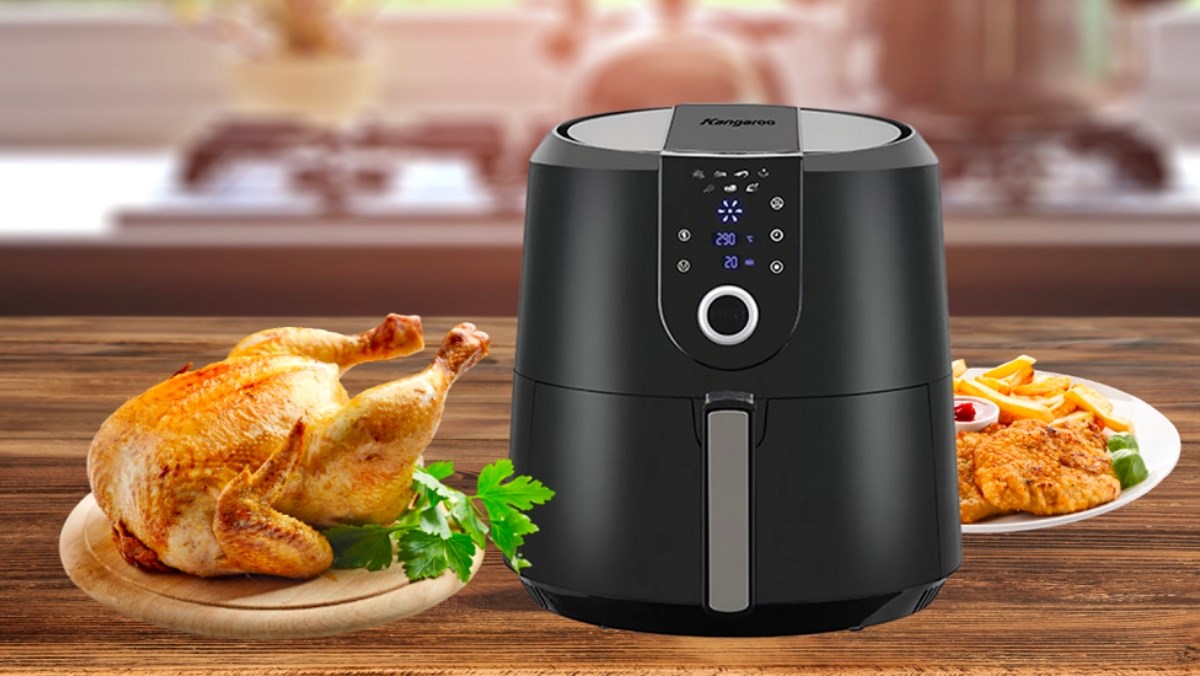


A clean kitchen not only enhances your cooking experience but also plays a crucial role in protecting your family’s health. However, for those who cook daily, maintaining a tidy kitchen can become challenging without the right approach. In reality, you don’t need to spend too much time cleaning if you follow smart principles and build effective habits. Below are seven practical ways to keep your kitchen clean every day while saving time and effort.
1. Clean as You Cook
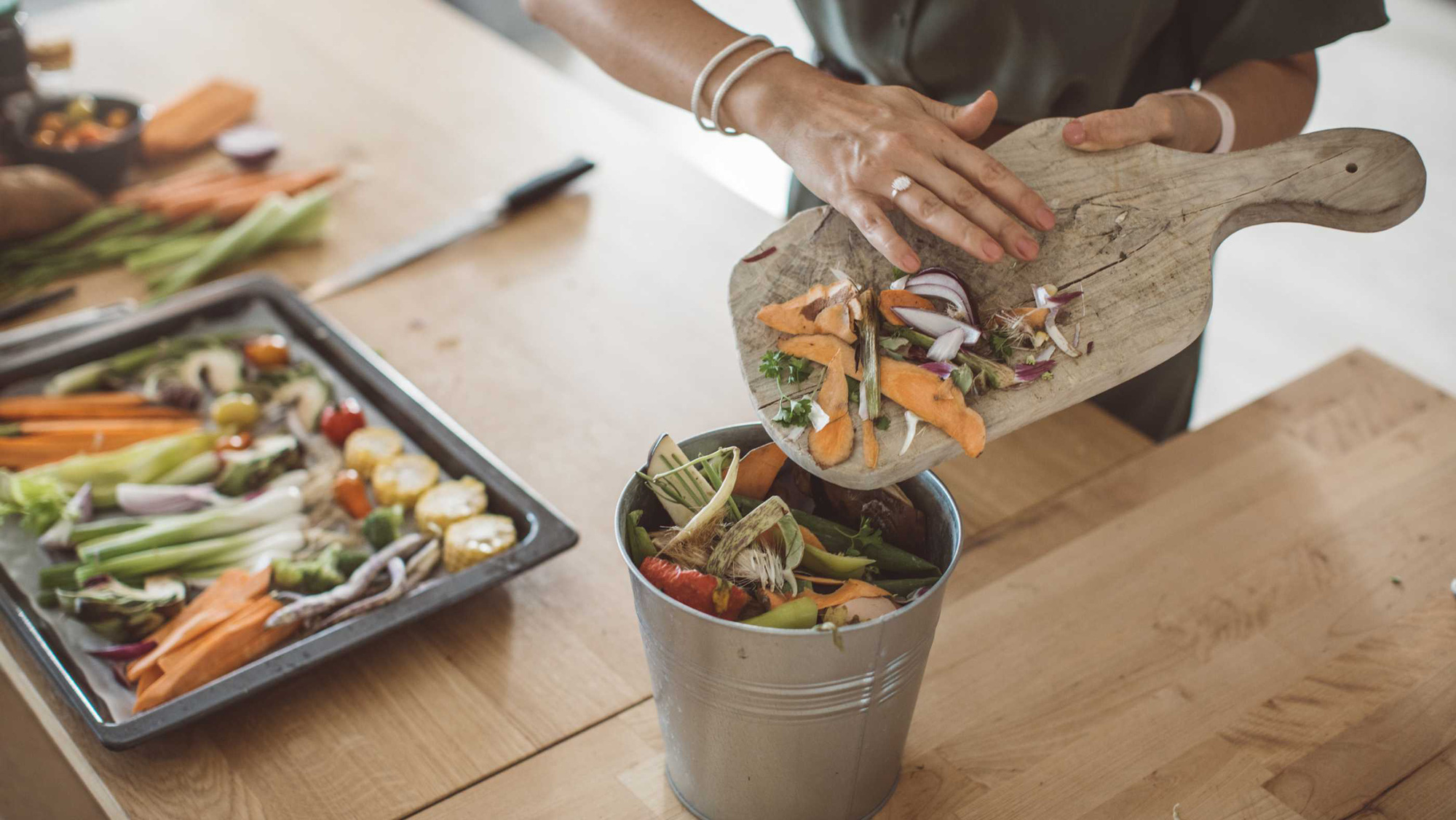
Cleaning while cooking is one of the most important habits for maintaining a tidy kitchen. Instead of letting mess accumulate, take a few moments to wash knives, cutting boards, or wipe down surfaces once you’re done using them. This prevents stains—especially grease and food residue—from drying and becoming harder to remove. Keeping your cooking area organized also helps you work more efficiently and reduces the risk of accidents.
Why This Method Works
By breaking cleaning tasks into smaller steps, you significantly reduce the workload after meals. More importantly, it helps eliminate the feeling of being overwhelmed by a messy kitchen.
2. Always Keep Cleaning Tools Ready
Having cleaning supplies within easy reach makes it much easier to deal with messes immediately. If you need to search for tools every time, you’re more likely to delay cleaning. A high-quality microfiber cloth can effectively absorb grease without requiring too much cleaning solution.
Helpful Tip
Use at least two types of cloths: one for drying and one for greasy surfaces. This helps prevent the spread of bacteria and improves overall hygiene.
3. Keep the Sink Clean and Dry
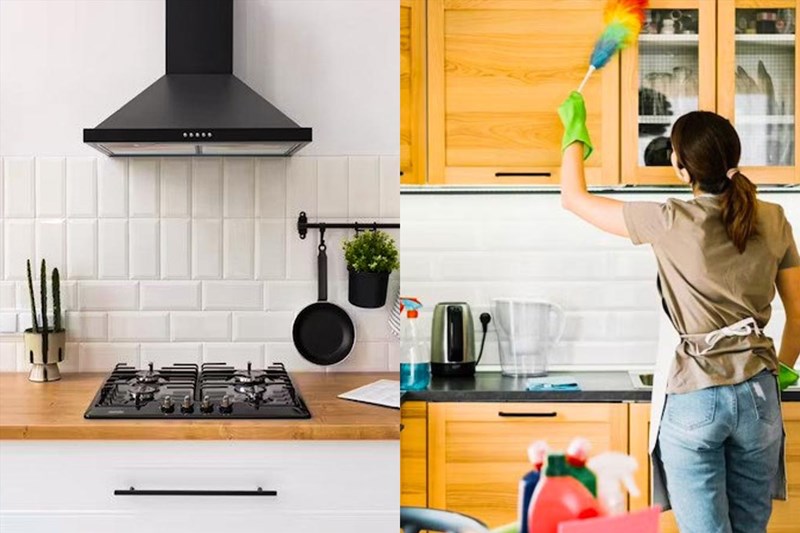
The sink is one of the most bacteria-prone areas in the kitchen. After washing dishes, rinse it thoroughly with clean water and wipe it dry. Avoid leaving food scraps in the drain strainer, as they can cause unpleasant odors and blockages.
Habits to Avoid
Do not leave dirty dishes overnight, as this can create bad smells and attract insects. If you’re too busy, at least rinse them before leaving them in the sink.
4. Organize Kitchen Items Efficiently
A clean kitchen is not just about hygiene—it’s also about organization. When everything is arranged logically, you avoid taking out unnecessary tools, which reduces clutter. Group items based on their functions, such as cooking, preparation, and storage.
Smart Space Utilization
Use wall racks, hooks, or storage containers to maximize space, especially in small kitchens. When everything has a designated place, keeping your kitchen clean becomes much easier.

5. Wipe Surfaces Immediately After Cooking
Right after cooking—while the stove is still slightly warm—is the ideal time to clean grease and food residue. If you wait too long, stains will harden and require more effort to remove. Spending just a few minutes cleaning daily can keep your kitchen looking spotless.
Important Note
Avoid using harsh cleaning chemicals that may damage surfaces, especially induction or glass stoves. Instead, opt for specialized cleaners or natural solutions like vinegar or baking soda.
6. Manage Trash and Food Waste Properly
Trash is one of the main causes of unpleasant odors in the kitchen. You should take out the garbage daily, especially organic waste such as vegetables, meat, and fish. Using a sealed trash bin helps contain odors and keeps insects away. Properly storing leftover food also helps reduce waste and maintain cleanliness.
Effective Odor Control
You can line the bottom of your trash bin with newspaper or use baking soda to absorb odors. These are simple yet highly effective solutions.
7. Maintain a Regular Deep Cleaning Routine
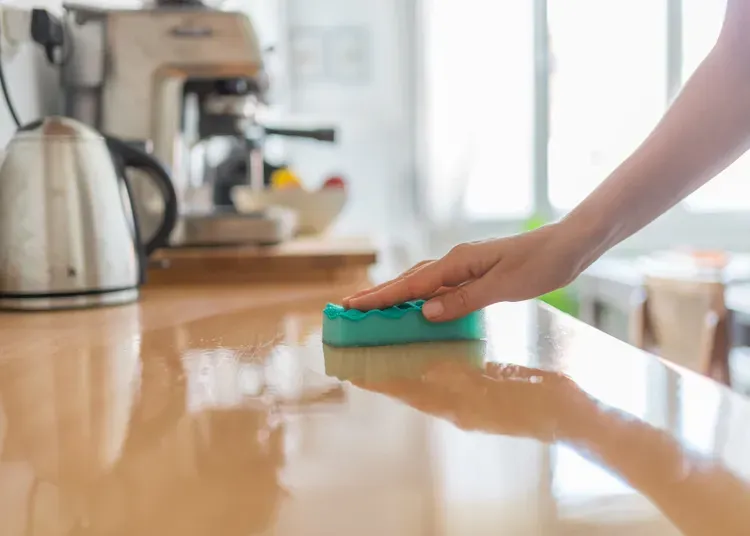
No matter how careful you are, some areas will inevitably be overlooked during daily cleaning. Therefore, regular deep cleaning is essential. Set aside time each week to thoroughly clean areas such as cabinets, spice racks, range hoods, and hidden corners.
Create a Cleaning Schedule
Divide tasks across different days to avoid feeling overwhelmed. For example, clean the refrigerator one day, the stove another day, and shelves on another. This approach makes deep cleaning much more manageable.
Keeping your kitchen clean while cooking every day is not difficult if you build small but effective habits. Instead of leaving all the cleaning until the end, handle tasks during the cooking process and maintain consistent organization. A clean kitchen not only saves time but also makes cooking more enjoyable and stress-free. By consistently applying these seven methods, you’ll find that maintaining a clean kitchen becomes a natural part of your daily routine.