

In recent years, the demand for home cleaning solutions has grown significantly, leading to rapid advancements in modern cleaning devices. Among them, vacuum cleaners have become essential appliances in many households. However, consumers often face a common dilemma: choosing between a handheld vacuum cleaner and a traditional full-sized vacuum.
Handheld vacuum cleaners are compact, lightweight, and highly portable, making them convenient for quick cleaning tasks. On the other hand, traditional vacuum cleaners are known for their powerful performance, deep-cleaning ability, and suitability for larger spaces. Because of these differences, many people wonder whether a handheld vacuum cleaner can fully replace a traditional one.
This article provides a detailed comparison of both types, covering performance, convenience, cost, and real-life usage scenarios to help you make the best decision.
What Is a Handheld Vacuum Cleaner and How Does It Work?
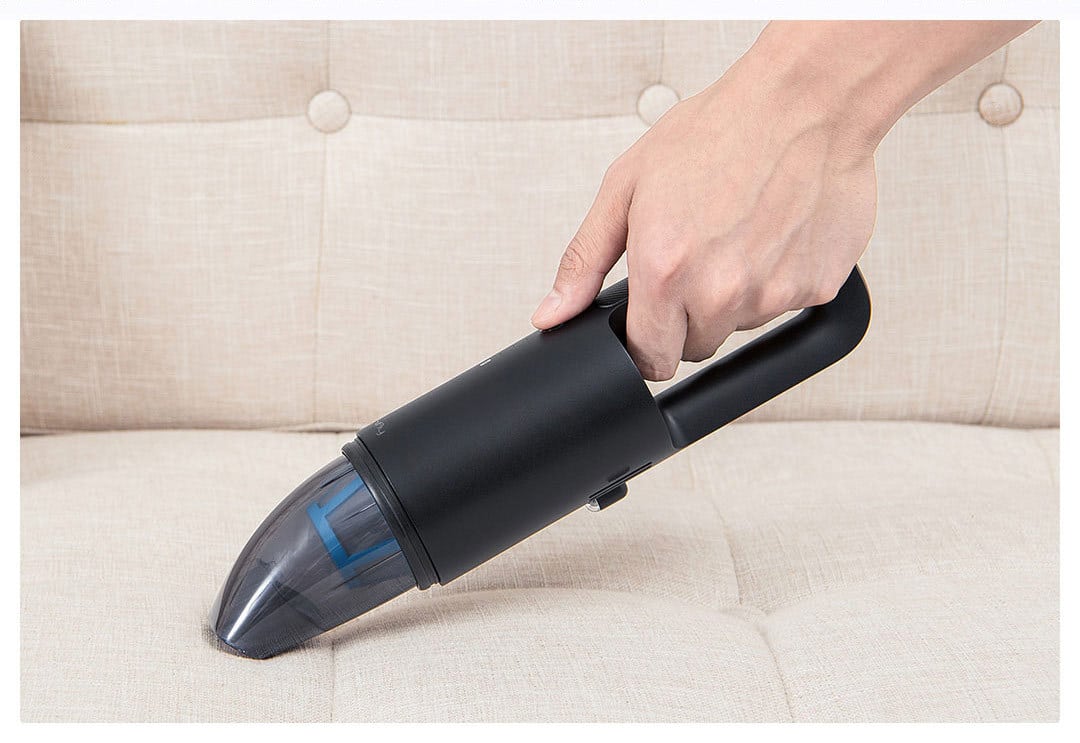
A handheld vacuum cleaner is a compact cleaning device, typically powered by rechargeable batteries and designed without long cords. Its lightweight structure allows users to easily carry and operate it in various locations.
The working principle is similar to other vacuum cleaners. An internal motor generates suction force, drawing dust and debris into a dust container through a nozzle. Many modern models are equipped with HEPA filters, which help trap fine dust particles and improve air quality.
Handheld vacuums are commonly used for cleaning small areas and hard-to-reach spaces such as sofas, car interiors, desks, bookshelves, and tight corners.
What Is a Traditional Vacuum Cleaner and Its Key Advantages?
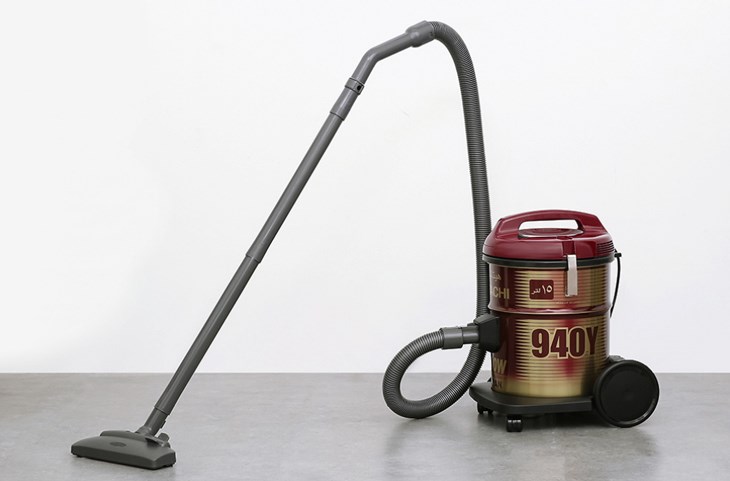
A traditional vacuum cleaner is a larger appliance, usually equipped with a power cord and multiple attachments. It offers significantly higher power compared to handheld models.
Its biggest advantage lies in its ability to clean large areas efficiently and remove deeply embedded dirt from carpets and floors. Additionally, its larger dust capacity reduces the need for frequent emptying. Some advanced models also include features like wet cleaning, blowing functions, or industrial-grade performance.
Traditional vacuum cleaners are ideal for large homes, offices, or environments that require frequent and intensive cleaning.
Comparing Power and Cleaning Performance
One of the most important factors in determining whether a handheld vacuum can replace a traditional one is cleaning performance.
Traditional vacuum cleaners typically operate at 1200W to 2500W, delivering strong suction capable of removing stubborn dirt, pet hair, and fine dust embedded deep within carpets.
In contrast, handheld vacuum cleaners usually range from 50W to 500W. Although high-end models have improved significantly, they still struggle to match the deep-cleaning capability of full-sized machines.
Therefore, in terms of raw performance, handheld vacuums cannot fully replace traditional vacuum cleaners in all situations.
Flexibility and Ease of Use
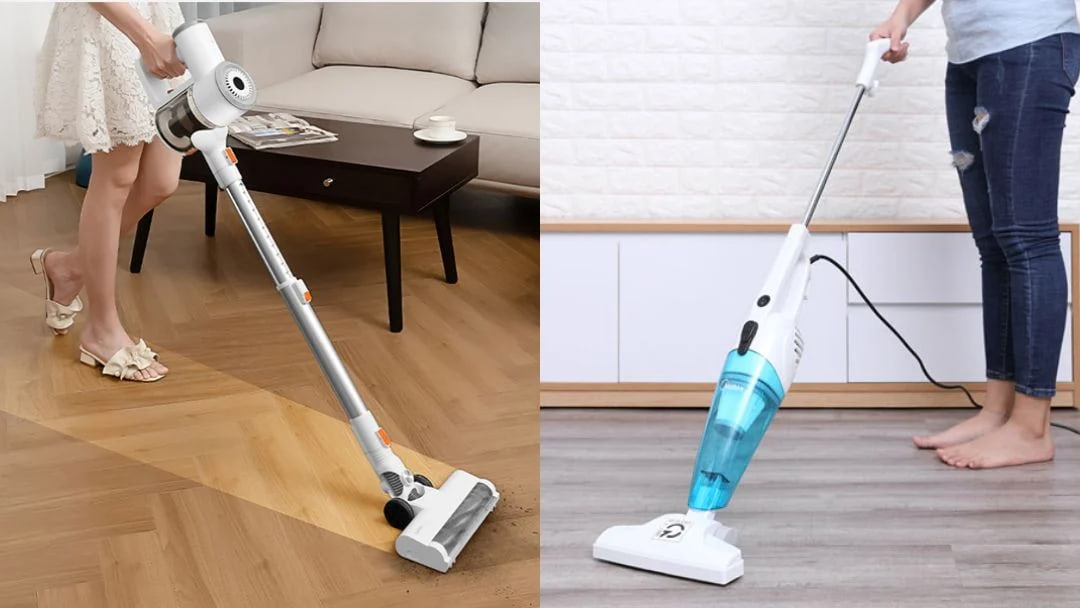
Handheld vacuum cleaners excel in flexibility. Their cordless design and compact size allow users to clean almost anywhere without being restricted by power outlets.
This is especially useful for cleaning cars, stairs, curtains, and tight spaces. Storage is also much easier due to their small size.
On the other hand, traditional vacuum cleaners are bulkier, harder to move, and require dedicated storage space. Their cords can also be inconvenient during use.
From a convenience standpoint, handheld vacuums clearly have the advantage.
Battery Life and Power Source
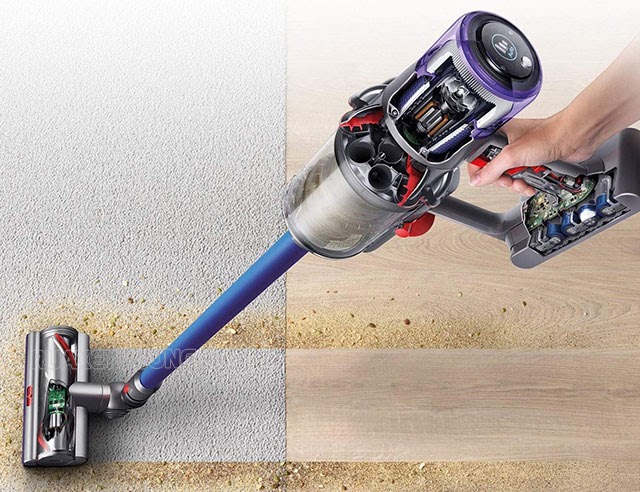
Handheld vacuum cleaners rely on rechargeable batteries, which limits their operating time. On average, they can run between 15 to 60 minutes per full charge.
This can be inconvenient when cleaning larger areas or performing extended tasks.
In contrast, traditional vacuum cleaners use direct power, allowing continuous operation without interruptions. This makes them more suitable for long cleaning sessions.
Cleaning Capability on Different Surfaces
Traditional vacuum cleaners come with a variety of attachments designed for specific surfaces such as hardwood floors, carpets, curtains, and narrow gaps. This versatility enhances cleaning efficiency across different environments.
Handheld vacuums also include some accessories, but they are generally more limited. Their performance on thick carpets or large surfaces is also less effective.
However, for small surfaces and tight spaces, handheld vacuums perform exceptionally well.
Noise Level and User Experience
Traditional vacuum cleaners tend to be noisy due to their high power output, which can be disruptive, especially in quiet environments or during nighttime.
Handheld vacuum cleaners are generally quieter, providing a more comfortable user experience.
This factor is particularly important for households with children or elderly members.
Cost and Maintenance
Handheld vacuum cleaners are available in a wide price range, often with a lower initial cost compared to traditional models.
However, their batteries have a limited lifespan and may need replacement over time.
Traditional vacuum cleaners typically have a higher upfront cost but are more durable and require fewer replacements.
In the long run, the total cost may not differ significantly, depending on usage frequency.
Real-Life Usage Needs
Choosing between a handheld and a traditional vacuum cleaner largely depends on your specific needs.
If you live in a small apartment, deal with light cleaning tasks, and prefer convenience, a handheld vacuum cleaner is a great option.
If you have a large home, carpets, pets, or require deep cleaning, a traditional vacuum cleaner will be more effective.
In many cases, users choose to own both types to take advantage of their respective strengths.
Can a Handheld Vacuum Cleaner Replace a Traditional One?
The answer is: yes, in some cases—but not entirely.
A handheld vacuum cleaner can replace a traditional one for simple cleaning tasks, small spaces, and situations that do not require strong suction power. However, for deep cleaning, large areas, or heavy dirt, a traditional vacuum cleaner remains irreplaceable.
Instead of viewing them as competitors, it is better to see them as complementary tools.
Tips for Choosing the Right Vacuum Cleaner
Before making a purchase, you should clearly identify your cleaning needs, space size, and budget.
If you prioritize convenience, portability, and quick cleaning, choose a handheld vacuum cleaner.
If you need powerful performance, deep cleaning, and long-term use, a traditional vacuum cleaner is the better choice.
You may also consider high-powered cordless vacuums that combine flexibility with strong performance.
Both handheld and traditional vacuum cleaners have their own advantages and limitations. The right choice depends on your specific needs and living conditions.
Handheld vacuums offer convenience and flexibility, while traditional vacuums provide powerful and thorough cleaning. In many cases, using both together delivers the best results.
Hopefully, this article has given you a clearer perspective to make the right decision for your home.