

In modern life, as lifestyles become increasingly fast-paced and health awareness continues to rise, compact household appliances are becoming a growing trend. One standout product in this category is the mini blender. With its small size, convenience, and ease of use, this device has quickly gained popularity, especially among young people, office workers, and frequent travelers.
However, despite its popularity, many people still wonder: is a mini blender truly useful, or just a trendy gadget? Can it replace a traditional blender? This article will help you better understand its advantages, disadvantages, and real value.
What Is a Mini Blender?
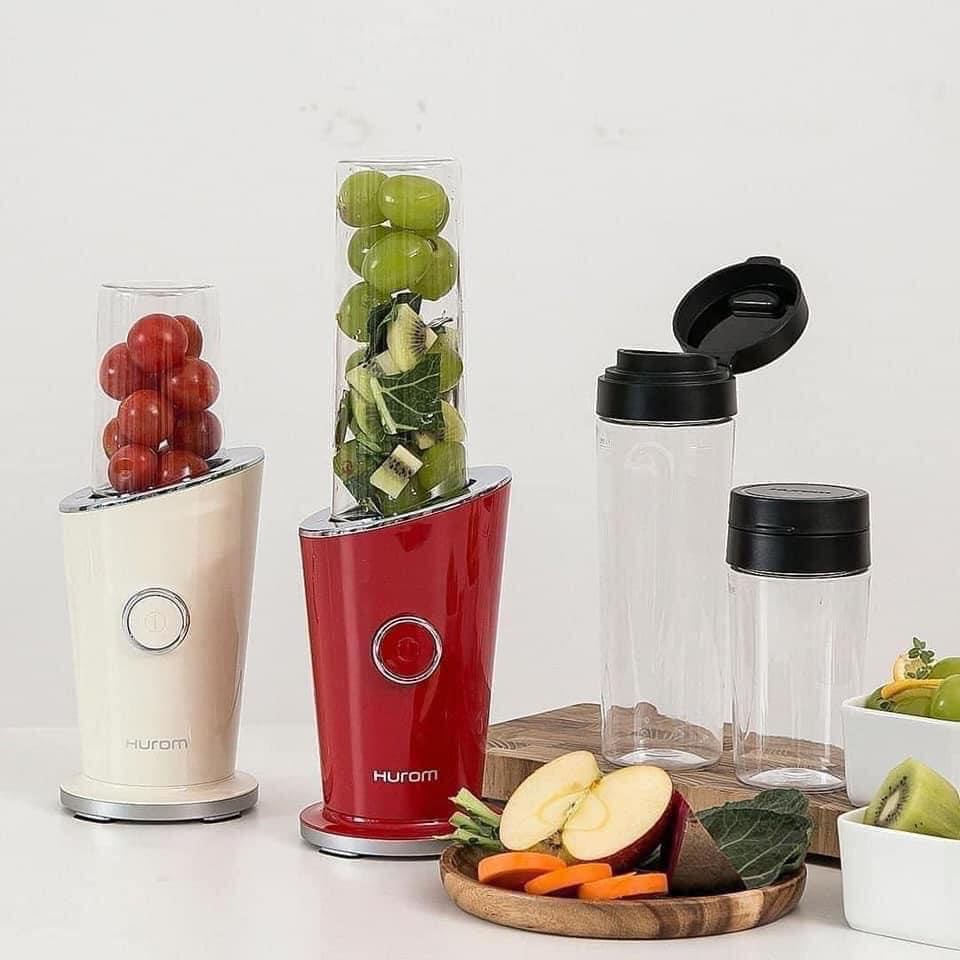
A mini blender is a compact version of a traditional blender. Typically, it has a capacity ranging from 300ml to 600ml and can be powered by rechargeable batteries or direct electricity. It is designed mainly for personal use.
One of its most notable features is the integration of the blending cup and blade system, allowing users to blend and drink directly from the same container. This saves time and reduces the need for extra cleaning.
How a Mini Blender Works
A mini blender operates using high-speed rotating blades that break down ingredients and mix them evenly. Its motor is usually less powerful than that of a traditional blender, but still sufficient for processing soft fruits, vegetables, and pre-cut ingredients.
Some advanced models also include multiple blending modes, safety sensors, and automatic shut-off features to prevent overload.
Key Advantages of Mini Blenders
One of the main reasons mini blenders have become so popular is their many practical benefits. First is their compact and portable design. You can easily carry one in a backpack or handbag for use at the office, gym, or while traveling. Second is their speed and convenience. Simply add your ingredients, press a button, and within seconds, you have a fresh smoothie.
Additionally, cleaning is very simple. Many models can self-clean by adding water and running a quick blending cycle.
Disadvantages to Consider
Despite their advantages, mini blenders also come with some limitations. The biggest drawback is their lower power. They often struggle with hard ingredients such as large ice cubes, nuts, or tough vegetables unless pre-cut into smaller pieces. Their small capacity also makes them unsuitable for families or group use. Preparing multiple servings requires repeated blending, which can be time-consuming.
Battery life is another factor to consider, especially for cordless models.
Comparing Mini Blenders and Traditional Blenders
When comparing the two, the differences are clear. Traditional blenders offer higher power, larger capacity, and the ability to process a wider variety of ingredients, including ice and hard foods. Mini blenders, on the other hand, excel in portability, convenience, and suitability for personal use.
If you need a versatile appliance for family use, a traditional blender is the better option. But for quick, single-serving smoothies, a mini blender is more than sufficient.
Who Should Use a Mini Blender?
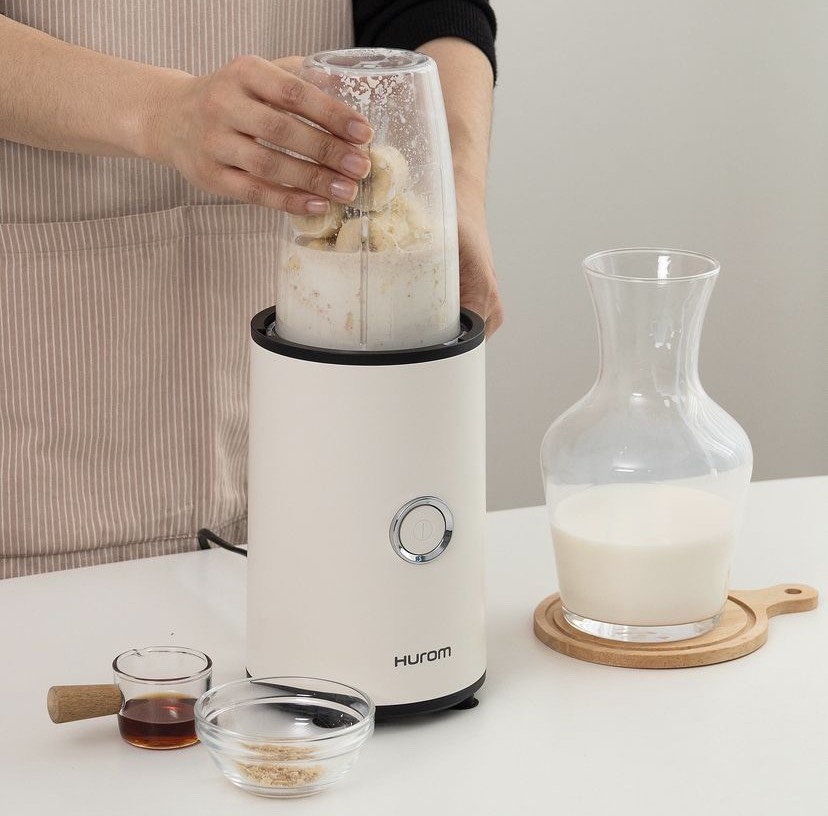
Mini blenders are especially suitable for certain groups of users. Busy individuals who have little time for meal preparation will appreciate their speed and convenience. Office workers can use them to prepare healthy drinks at their desks. Fitness enthusiasts or those following a healthy diet often use mini blenders for protein shakes and nutrient-rich smoothies.
They are also ideal for people living alone or in small spaces.
When Mini Blenders Are Most Useful
Mini blenders are most effective in situations such as preparing a quick breakfast, making post-workout drinks, or creating daily personal beverages. They are also very useful during travel or business trips, helping maintain healthy eating habits on the go.
In these scenarios, traditional blenders are often impractical, making mini blenders an ideal solution.
Practical Limitations in Real Use
Although convenient, mini blenders are not suitable for every situation. They are not ideal for preparing large quantities or complex recipes such as soups, sauces, or grinding meat. Improper use, such as overfilling or blending hard ingredients, can also reduce the lifespan of the device.
Should You Buy a Mini Blender?
The answer depends on your specific needs. If you want a compact, convenient device for personal use and do not require high power, a mini blender is a great choice. However, if you need a versatile appliance for family use and frequent heavy-duty blending, a traditional blender is more suitable.
In many cases, owning both types provides the best overall experience.
Tips for Choosing a Mini Blender
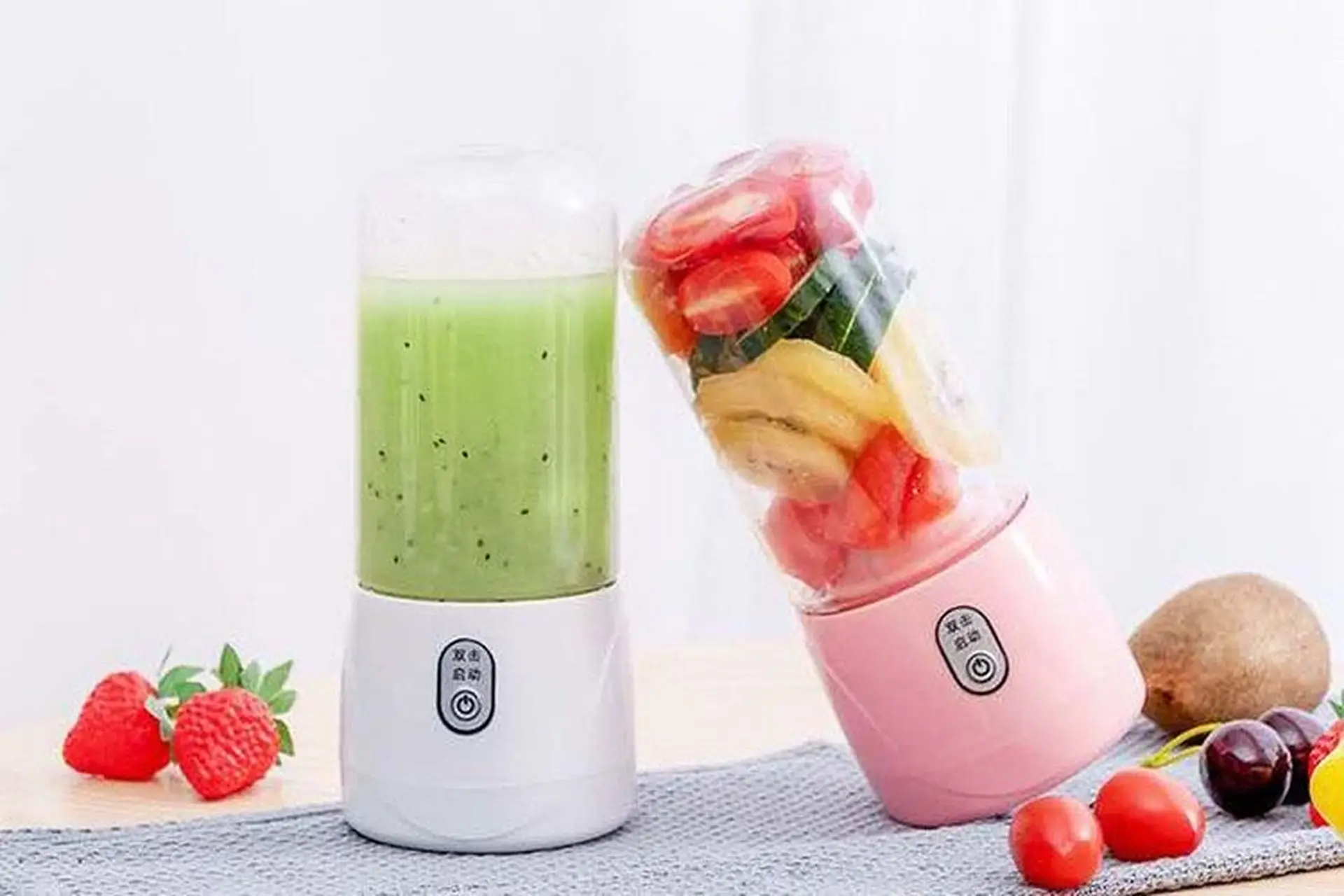
When selecting a mini blender, there are several important factors to consider. Motor power and blade speed directly affect blending performance. Battery capacity determines how long you can use the device between charges. The material of the blending cup is also important—choose BPA-free and food-safe options. Additionally, selecting a reputable brand can ensure better durability and safety.
How to Use a Mini Blender Effectively
To use a mini blender efficiently, you should cut ingredients into smaller pieces before blending, especially harder foods. Avoid overfilling the container to prevent overload. Clean the device immediately after use to maintain hygiene and extend its lifespan. For battery-powered models, ensure they are fully charged before use and avoid leaving the battery depleted for long periods.
A mini blender is not just a convenient gadget but also a valuable tool for supporting a modern, healthy lifestyle. While it cannot fully replace a traditional blender, it offers significant benefits in specific situations. If you understand your needs and use it properly, a mini blender can become an essential part of your daily routine.