

Many people today rely on air fresheners as a quick fix whenever their home develops an unpleasant smell. With just a few sprays, the space instantly feels fresh. However, this effect is only temporary.
Most commercial air fresheners contain synthetic fragrances and volatile organic compounds (VOCs). These substances can irritate the respiratory system, trigger headaches, and negatively affect long-term health—especially when used frequently in enclosed spaces.
More importantly, air fresheners only mask odors instead of eliminating them. When the root cause of the smell is not addressed, the unpleasant odor will return quickly—often worse due to mixed scents.
That is why modern home care trends focus on eliminating odor sources and using natural fragrance, rather than covering them up.
Understanding the Nature of Household Odors
Odors Always Have a Source
A common misconception is that bad smells “just appear.” In reality, every odor has a specific origin:
1. Organic Decomposition
Food waste, hair, dead skin, and organic matter break down over time, producing unpleasant smells.
2. Bacteria and Mold
This is one of the most serious causes. Humid environments promote the growth of bacteria and mold, which produce persistent odors.
3. Humidity
In tropical climates, high humidity allows odors to cling to:
- Clothes
- Curtains
- Sofas
- Mattresses
4. Poor Air Circulation
Closed spaces trap odors, causing them to accumulate and intensify over time.

The Golden Formula for a Fresh-Smelling Home
To keep your home consistently fresh, follow this formula:
- 70%: Eliminate odor sources
- 20%: Improve ventilation
- 10%: Add fragrance
If you only focus on adding fragrance, the results will never last.
Ventilation: The Most Overlooked Yet Powerful Method
Why Ventilation Matters
Indoor air can be more polluted than outdoor air if not properly circulated. Opening windows helps:
- Remove stale air
- Reduce humidity
- Increase oxygen levels
- Instantly improve comfort
Cross Ventilation Technique
This highly effective method is often underused:
- Open windows or doors on opposite sides of your home
- Create a natural airflow path
- Use fans to enhance circulation if needed
This method is 3–5 times more effective than opening a single window.
Best Time to Ventilate
- Early morning (5:30 AM – 8:00 AM)
- Late afternoon (4:30 PM – 6:00 PM)
Avoid midday heat or polluted hours.
Cleaning: The Foundation of a Fresh Home
Why Cleaning Eliminates Odors
Most odors come from:
- Dust
- Bacteria
- Dirt buildup
Cleaning removes these sources at the root.
The 15-Minute Daily Cleaning Strategy
You don’t need hours of cleaning. Just:
- 5 minutes: take out trash
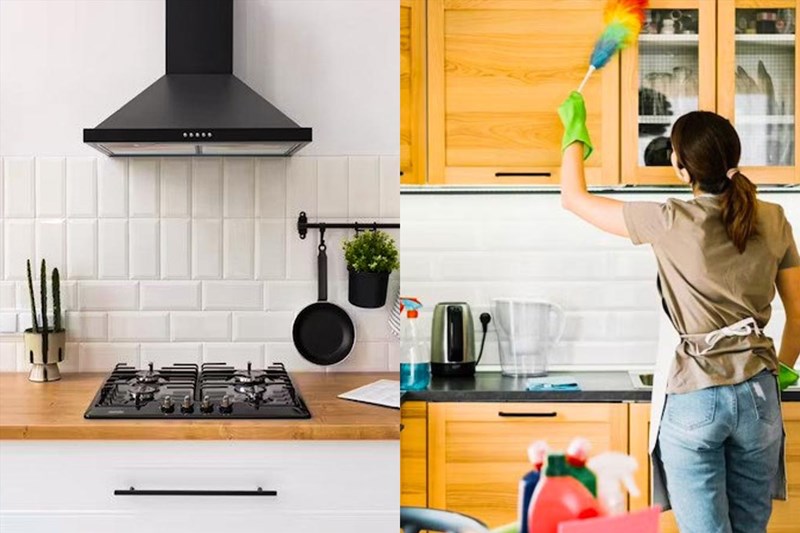
- 5 minutes: wipe kitchen surfaces
- 5 minutes: tidy living space
Within a week, you’ll notice a significant difference.
Priority Areas
Kitchen
The main source of odors due to cooking oils and food residues.
Bathroom
High humidity and bacteria levels.
Shoe Cabinet
A hidden but powerful odor source.
Baking Soda: A Scientific Odor Neutralizer
Why It Works
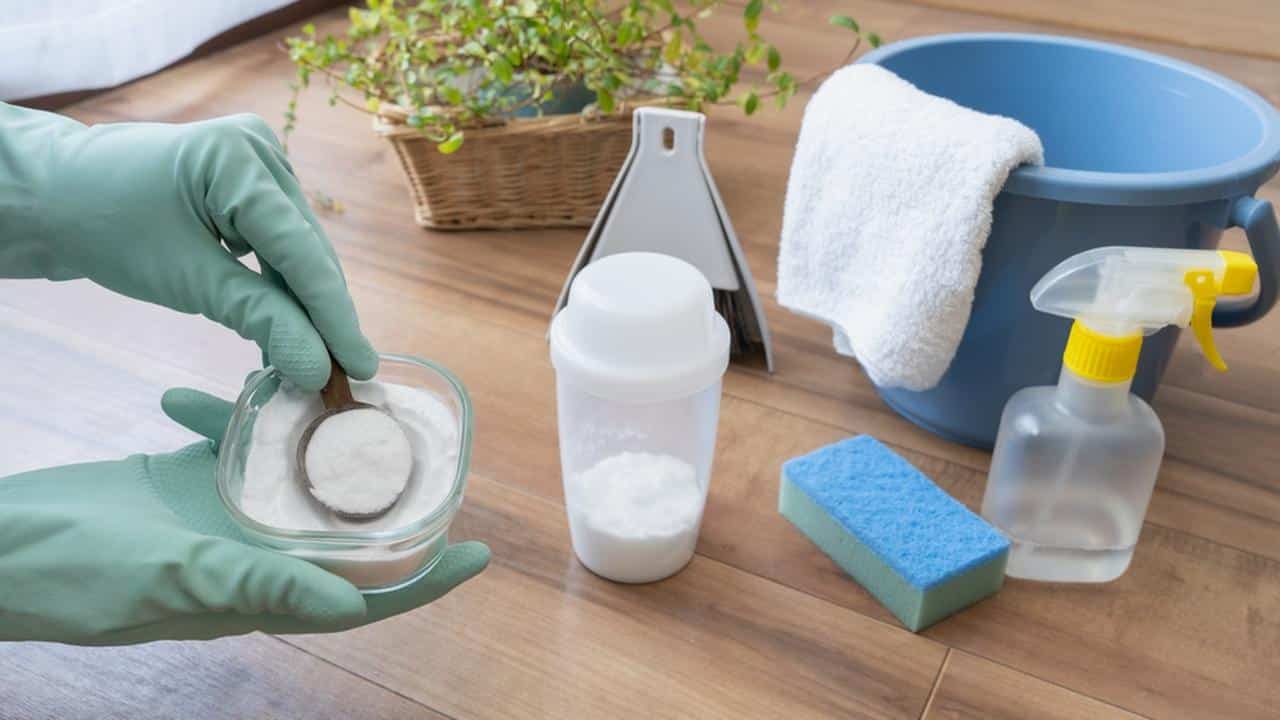
Baking soda is mildly alkaline, allowing it to neutralize acidic odor molecules. It also:
- Absorbs moisture
- Traps odor particles
Advanced Uses
Room Deodorizer
Place a bowl in corners and replace every 2–4 weeks.
Carpet Treatment
Sprinkle, wait 30 minutes, then vacuum.
Scented Baking Soda
Mix with essential oils for dual effect: deodorizing + fragrance.
White Vinegar: A Powerful Natural Cleaner
Why Vinegar Is Effective
It contains acetic acid, which:
- Kills bacteria
- Breaks down odor molecules
How to Use It
Floor Cleaning
Mix 1 part vinegar with 2 parts water.
Kitchen Odor Removal
Boil vinegar for 5–10 minutes to eliminate cooking smells.
Refrigerator Deodorizing
Place a small cup inside.
Essential Oils: Natural and Elegant Fragrance
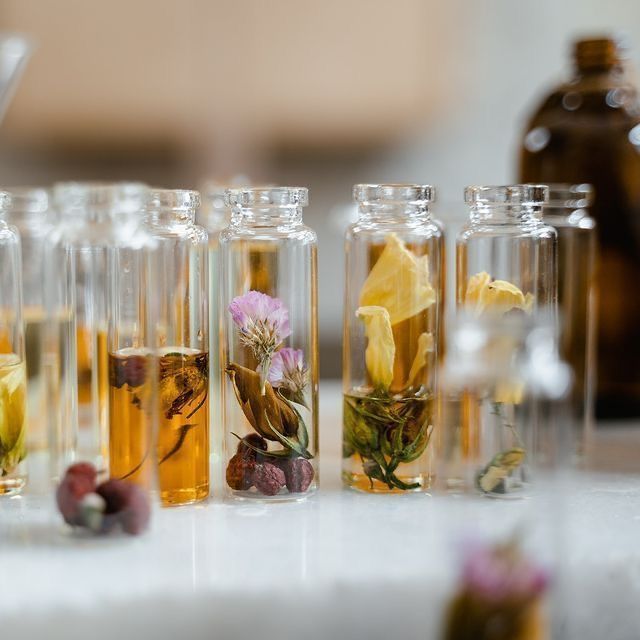
Why Choose Essential Oils
- Free from harmful chemicals
- Natural and pleasant
- Provide psychological benefits (relaxation, focus)
Advanced Usage Tips
Diffusers
Distribute scent evenly throughout the room.
Smart Hacks
- Add drops inside toilet paper rolls
- Use in vacuum filters
- Apply to air conditioner vents
Blending Scents
Examples:
- Orange + cinnamon → warm and cozy
- Lemongrass + lemon → fresh and clean
- Lavender + vanilla → relaxing
Simmer Pot: A Natural Home Fragrance Secret
How to Make It
Ingredients:
- Citrus peels
- Cinnamon sticks
- Ginger
Simmer for 20 minutes.
Why It Works
Steam carries natural aroma throughout the house, creating a gentle and non-overpowering scent.
Indoor Plants: Long-Term Air Freshening Solution
Benefits
- Filter toxins
- Increase oxygen
- Enhance relaxation
Recommended Plants
Low Maintenance
- Snake plant
- Pothos
Fragrant
- Mint
- Rosemary
Activated Charcoal: Passive Odor Absorber
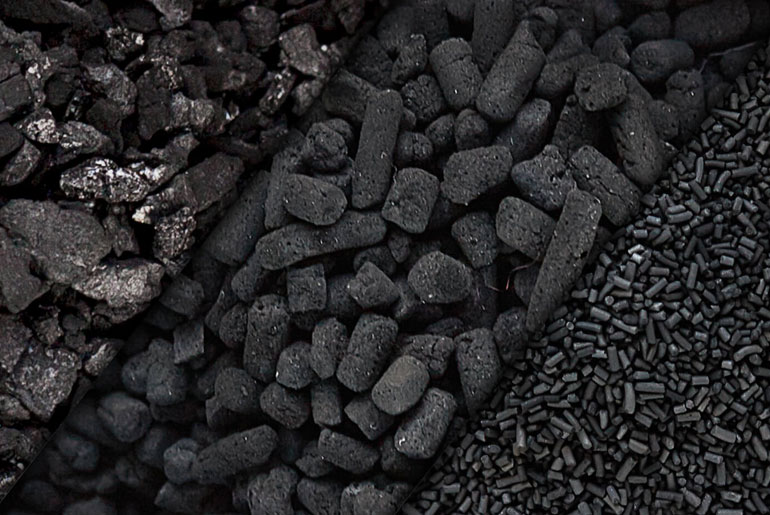
How It Works
Its porous structure traps odor molecules.
Advantages
- No electricity required
- Odorless
- Long-lasting
Deep Cleaning by Area
Kitchen: The Main Odor Source
Causes
- Grease
- Food residue
- Drain smells
Solutions
- Clean immediately after cooking
- Boil vinegar
- Use lemon
Bedroom
Causes
- Sweat
- Bedding
Solutions
- Wash sheets weekly
- Ventilate daily
Bathroom
Powerful Method
Mix baking soda and vinegar → creates a reaction that eliminates odors effectively.
Shoe Storage
Tips
- Tea bags
- Charcoal
Long-Term Freshness Strategy
Daily Routine
- Open windows
- Take out trash
- Clean kitchen
Weekly Routine
- Wash bedding
- Mop floors
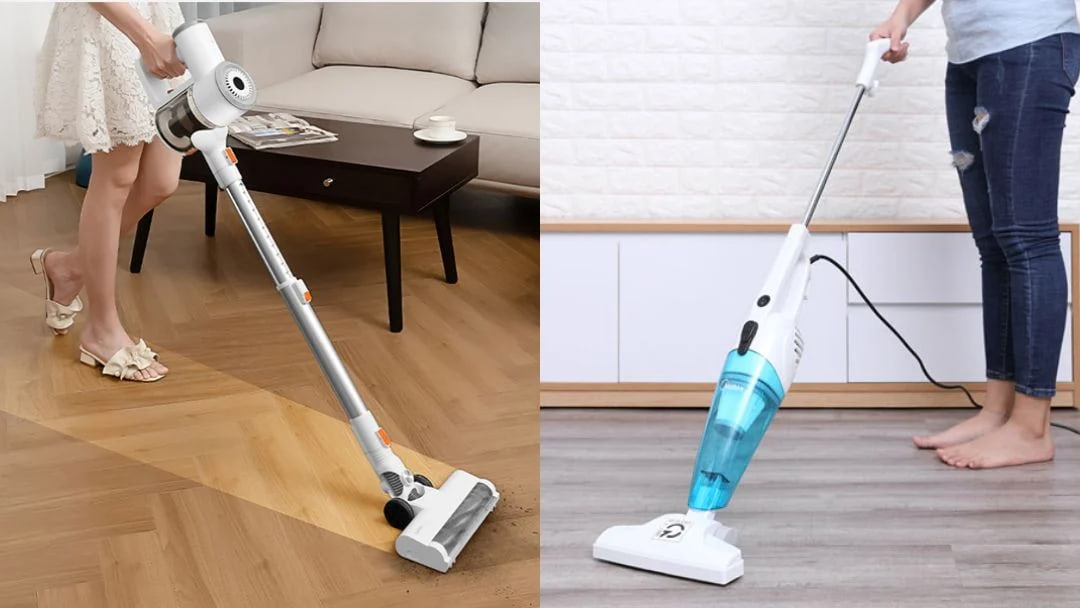
- Vacuum
Monthly Routine
- Wash curtains
- Deep clean
Common Mistakes to Avoid
Using Only Air Fresheners
Temporary and ineffective.
Overusing Essential Oils
Can cause headaches.
Ignoring Humidity
Leads to recurring odors.
Conclusion
Keeping your home smelling fresh is not about spraying fragrances—it’s about building a system:
-
Clean regularly
-
Control humidity
-
Improve airflow
-
Use natural scents
When done correctly, your home will not only smell fresh but also feel healthier and more comfortable.